What Municipal Inspections Do—and Do Not—Tell a New-Home Buyer
The short answer
Municipal inspections confirm a home meets minimum building code requirements at specific construction stages — they're not a quality or finish-work review, and they don't check everything a buyer might care about. Passing every city inspection is a code-compliance milestone, not a guarantee of defect-free workmanship.
Key takeaways
- Municipal inspections check code compliance at defined stages, not overall quality or finish work.
- "Passed inspection" means minimum code requirements were met, not that the home has no issues at all.
- City inspectors check a broad range of homes and don't spend time on finish-level workmanship details.
- An independent inspection you hire is a meaningful complement, not a duplicate, of the municipal process.
- Understanding this distinction helps set realistic expectations about what "passed" actually means.
What municipal inspections actually check
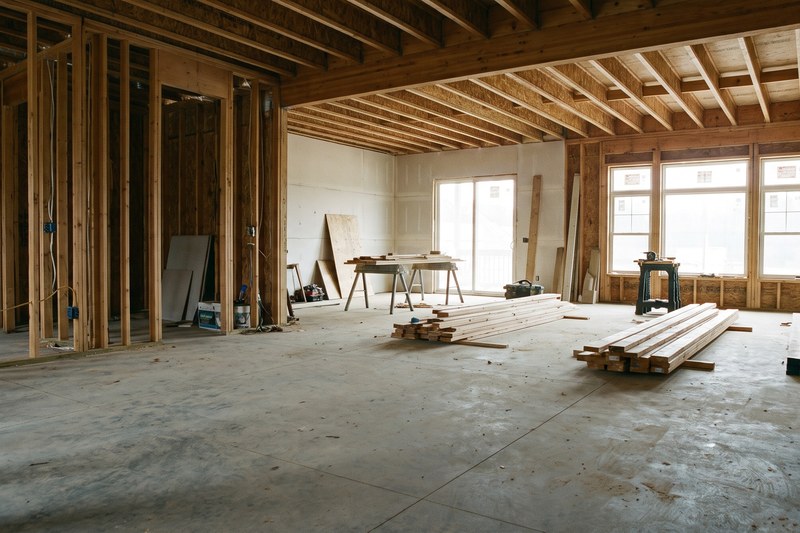
City inspectors review construction at defined stages — footings, framing, plumbing rough-in, electrical, insulation, and final occupancy — against the requirements of the building code. Each stage inspection confirms that specific portion of the work meets minimum code standards before construction proceeds to the next stage.
What "passed inspection" really means
A pass means the inspected work met the code minimum at that stage, at that moment. It's not a certification of workmanship quality, and it doesn't mean every detail of the finished home will be issue-free. Buyers sometimes read "passed inspection" as a broader quality guarantee than it actually is.

What's outside a municipal inspector's scope
Finish quality — paint, trim, cabinetry, flooring installation — general workmanship, and cosmetic issues are typically outside what a municipal inspection reviews. These inspections focus on safety and code compliance, not the overall polish of the finished product.
"It passed inspection" isn't a reason to skip your own review. Treat a passed municipal inspection as a code-compliance milestone, not a substitute for your own walkthrough or an independent inspection.
How the process generally works in Edmonton
The City of Edmonton's new-home construction resources outline the required permit and inspection stages builders must complete. These are administrative and safety checkpoints in the construction process, not a service performed for the buyer's benefit specifically.
Where an independent inspection fills the gap
An inspection you hire yourself looks at the home from a buyer's perspective — finish quality, functional issues, things a code-compliance check wouldn't flag. See our guide on when to schedule one and what it reveals for how the two processes complement each other.
Ready to look at actual homes?
Want to understand what's already been inspected on your specific home? Get in touch — we'll help you ask the builder for the inspection history.

Ryan McCann
Ryan is an Edmonton-based new-construction specialist with MaxWell Polaris and the person behind MoveNew. He's helped over 2,200 clients in the Edmonton area buy and sell their home.
Contact Ryan today at 780-964-8445 to start your new home journey.
Last reviewed 11 August 2026. General information for Edmonton-area buyers — not legal advice. Contract terms, builder practices, and Alberta regulations can change or vary; confirm current details with a real-estate lawyer or the relevant builder before making a decision.
Frequently asked questions
Can I see a home's municipal inspection history?
Ask your builder, or check with the City of Edmonton directly for permit and inspection records tied to the address.
Does passing final occupancy inspection mean the home is defect-free?
No — it means the home meets the code requirements for occupancy, not that it has zero issues of any kind.
Are municipal inspectors the same as home inspectors?
No, they serve different purposes. Municipal inspectors check code compliance for the city; a home inspector you hire works for you, the buyer.
Do all new homes go through the same inspection stages?
The general stages are similar, though specifics can vary by project type and scope. Ask your builder for the specific inspection milestones on your build.
What if I have a home to sell?
That is common, and it is worth planning early. The timing question is how a builder's possession date lines up with the sale of your current home — completion dates can move, and carrying two homes or bridging the gap has a real cost. Start with a free home evaluation so you know what your current home is worth, then read our guide to selling before buying new construction.
Keep reading