Can You Inspect a New Home Before Drywall? Questions to Ask Your Builder
The short answer
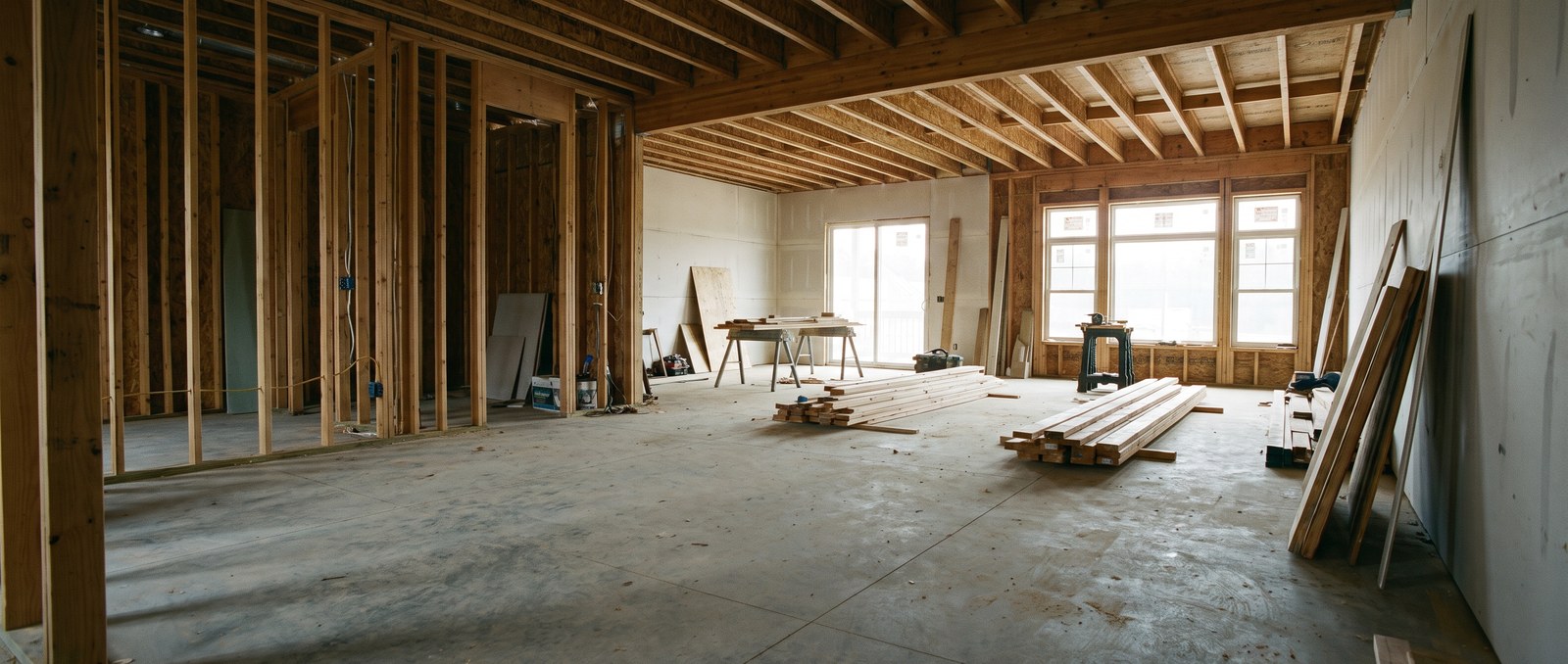
A pre-drywall inspection lets you or an inspector examine framing, electrical, plumbing, and insulation before they're sealed behind finished walls. Not every builder allows buyer access at this stage, so it's worth asking early, ideally before or shortly after you sign.
Key takeaways
- Framing, wiring, plumbing, and insulation are only visible before drywall goes up — after that, they're hidden.
- Not every builder allows buyer or inspector access at the pre-drywall stage — ask before assuming it's available.
- The best time to ask is early, ideally before or shortly after you sign your contract.
- A pre-drywall inspection is a supplement to, not a replacement for, your standard pre-possession inspection.
- Issues caught at this stage are typically far easier and cheaper to correct than after drywall is installed.
What's visible before drywall that isn't after
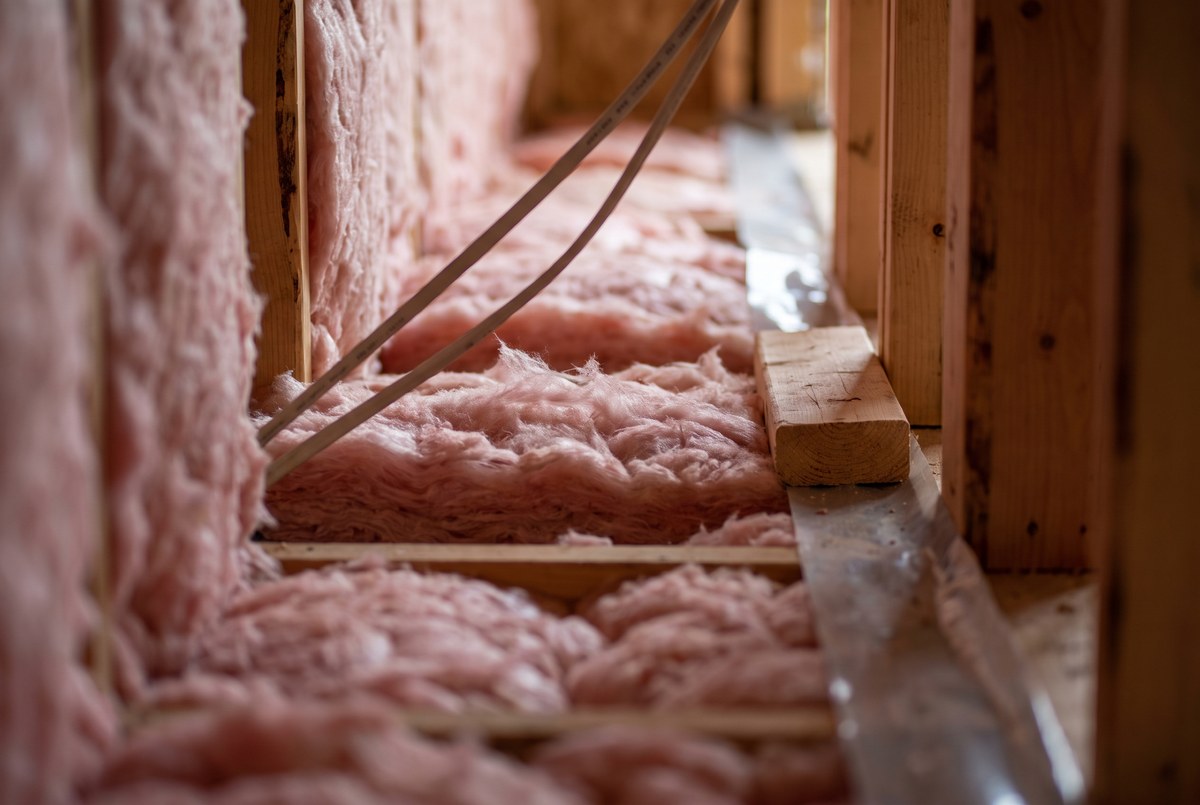
Before drywall installation, framing, electrical wiring, plumbing rough-ins, and insulation are all fully visible and much easier to inspect and correct than once they're sealed behind finished walls. This stage is sometimes the only real opportunity to confirm these systems were installed as expected.
Why not every builder allows buyer access
Active construction sites carry liability and scheduling considerations, so some builders limit buyer access during this stage, or require it be coordinated through a site supervisor rather than an unscheduled visit. This isn't necessarily a red flag on its own — it's a normal safety and logistics consideration on a working site.
When to ask, and how
Ask about pre-drywall access early — ideally before or shortly after you sign your purchase contract — so it's on record as something you want to arrange, rather than a last-minute request once framing is already nearly covered.
Ask for reasonable notice of the drywall schedule. Even with permission, you need the builder to tell you the actual timing so you can arrange your visit or inspector before the walls close up.
What a pre-drywall inspection looks for
A qualified inspector at this stage typically checks framing for straightness and proper bracing, confirms electrical and plumbing rough-ins match the plan, and reviews insulation coverage and vapour barrier installation. These are the systems most costly to correct after the fact.
Why it supplements, not replaces, your later inspection
A pre-drywall inspection covers what's hidden later, but it doesn't replace a full pre-possession inspection, which reviews finish work, appliances, and systems that aren't complete until much later in construction. Think of the two as covering different windows of the build, not one substituting for the other.
Ready to look at actual homes?
Want help asking your builder about pre-drywall access? Get in touch — we'll help you word the request and time it right.

Ryan McCann
Ryan is an Edmonton-based new-construction specialist with MaxWell Polaris and the person behind MoveNew. He's helped over 2,200 clients in the Edmonton area buy and sell their home.
Contact Ryan today at 780-964-8445 to start your new home journey.
Last reviewed 11 August 2026. General information for Edmonton-area buyers — not legal advice. Contract terms, builder practices, and Alberta regulations can change or vary; confirm current details with a real-estate lawyer or the relevant builder before making a decision.
Frequently asked questions
Does every builder offer pre-drywall inspections?
No, availability varies. Ask specifically and early rather than assuming it's standard.
Can I do a pre-drywall inspection myself instead of hiring someone?
You can look yourself, but a qualified inspector is more likely to catch issues that aren't obvious to an untrained eye.
How much notice do I need to arrange this?
Ask your builder for their typical framing-to-drywall timeline as early as possible so you have enough lead time to schedule.
What if something's found at this stage?
Raise it with the builder promptly, in writing, so it can be corrected before drywall closes the wall up.
What if I have a home to sell?
That is common, and it is worth planning early. The timing question is how a builder's possession date lines up with the sale of your current home — completion dates can move, and carrying two homes or bridging the gap has a real cost. Start with a free home evaluation so you know what your current home is worth, then read our guide to selling before buying new construction.
Keep reading