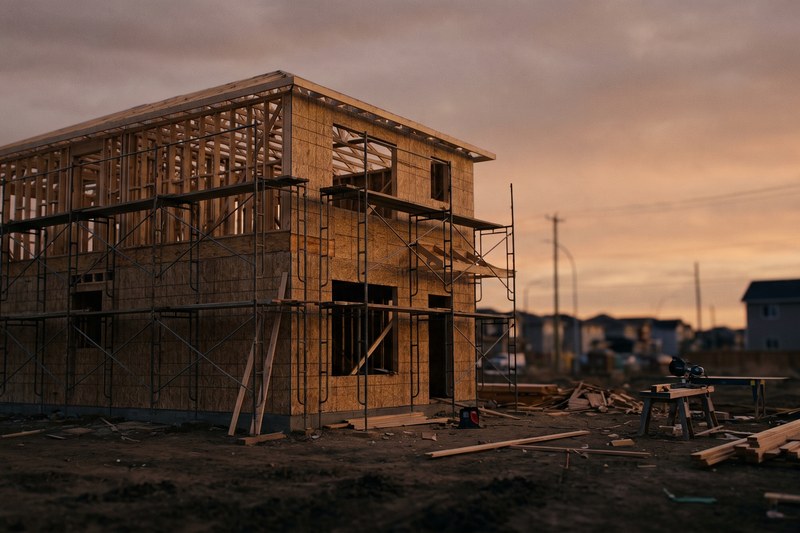
New-Build Completion Dates: Firm Date, Estimate, and Builder Extension Clauses Explained
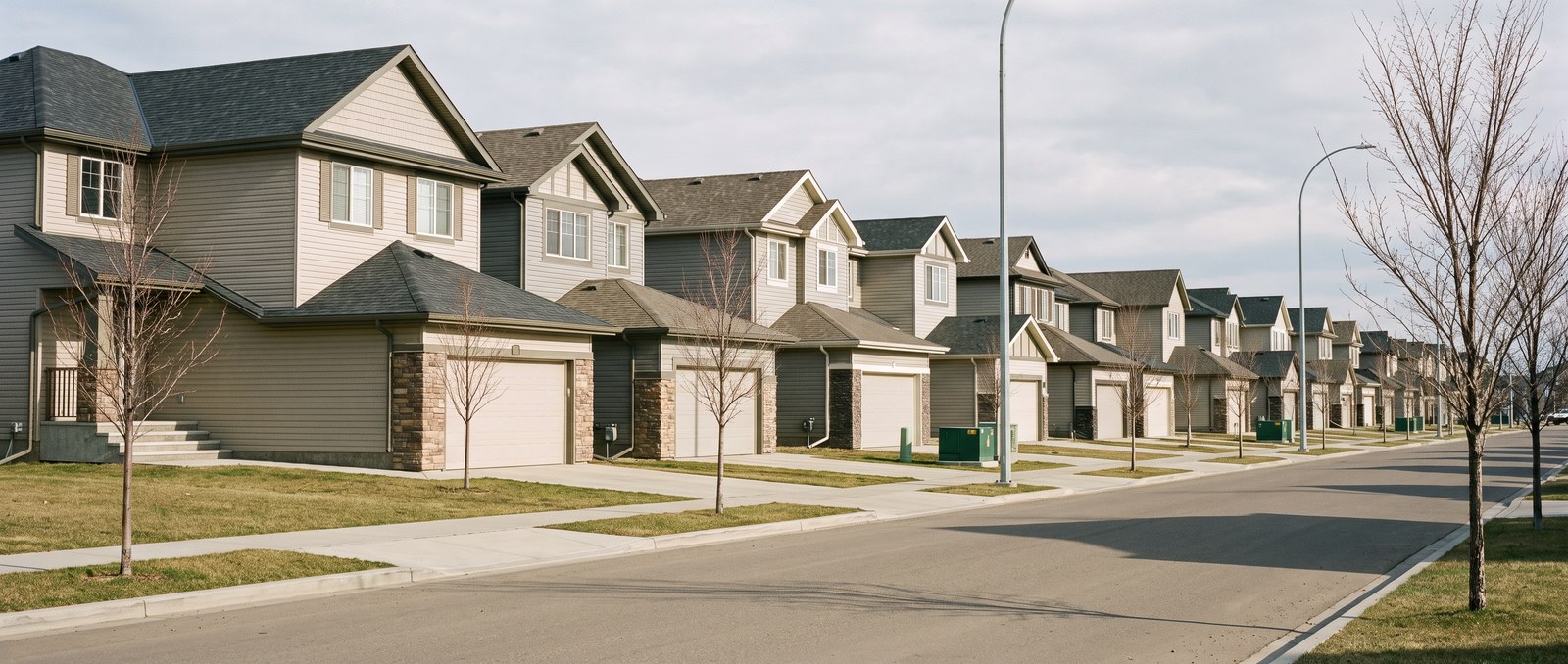
The short answer
Builder contracts often distinguish between an early "estimated" completion date, set before or soon after construction starts, and a firmer date issued closer to possession. Most also include an extension clause allowing the builder to push the date under defined circumstances — labour shortages, weather, or material delays. Neither of these is unusual, but the specifics of what triggers an extension, and how much notice you'll get, are worth reading closely.
Key takeaways
- An early "estimated" date is normal and expected to move; a later firm date is more reliable but still not guaranteed.
- Extension clauses are standard in most builder contracts, not a red flag on their own.
- Read exactly what circumstances allow an extension, and how much notice the contract requires.
- Completion timing has real downstream effects on mortgage rate holds and any home sale you're coordinating.
- A pattern of repeated, unexplained extensions is different from a single, reasonable delay.
Estimated vs. firm: what changes at each stage
Early in a project — sometimes before a shovel is in the ground — a builder can typically only offer an estimated completion window, since so much of the schedule depends on trades, materials, and weather that hasn't happened yet. As construction progresses, that estimate usually tightens into a firmer date, often confirmed a number of weeks before possession. Neither stage is a guarantee in the strictest sense, but the firm date is meaningfully more reliable than the early estimate.
What extension clauses typically allow
Most builder contracts include language permitting the builder to extend the completion date under specific, defined circumstances — commonly labour availability, weather, material supply delays, or events outside the builder's control. This is a standard feature of new-construction contracts generally, not something unique to one builder. What varies is the exact wording: how broadly "circumstances outside the builder's control" is defined, and whether there's any cap on how long an extension can run.
Notice periods: what's reasonable to expect
Look for how much advance notice the contract requires the builder to give you before or when the date changes. A contract that's silent on notice, or gives very little, leaves you with less time to react — which matters most if you're coordinating a mortgage rate hold or the sale of your current home. This is a reasonable point to raise directly with the builder before signing.
This is general information, not legal advice. Extension clause wording and enforceability vary by contract. A real-estate lawyer can confirm what your specific document actually allows.
Why this matters if you're also selling a home
If your new build's completion date is meant to line up with the sale of your current home, an extension can create a real, costly gap — carrying two homes, or needing a bridge, isn't free. See our piece on what happens if your build is delayed for how to plan around this before it happens rather than after.
Questions to ask before you sign
Ask what circumstances specifically trigger an extension, how much notice you'll receive, and whether there's any limit on how long the date can move. Getting clear, written answers to these before you sign is one of the questions worth asking regardless of whether you have your own representative.
Ready to look at actual homes?
Coordinating a new-build possession date with something else? Get in touch — we'll help you plan around the timing risk before you sign.

Ryan McCann
Ryan is an Edmonton-based new-construction specialist with MaxWell Polaris and the person behind MoveNew. He's helped over 2,200 clients in the Edmonton area buy and sell their home.
Contact Ryan today at 780-964-8445 to start your new home journey.
Last reviewed 11 August 2026. General information for Edmonton-area buyers — not legal advice. Contract terms, builder practices, and Alberta regulations can change or vary; confirm current details with a real-estate lawyer or the relevant builder before making a decision.
Frequently asked questions
How far in advance is the firm date usually confirmed?
It varies by builder and project, but it's typically confirmed a number of weeks before possession rather than at initial signing. Ask the specific builder for their usual practice.
Can a builder delay indefinitely?
Most contracts include some limit or defined circumstances for extensions rather than unlimited discretion, but the specifics depend on your contract's exact wording — read it, or have a lawyer confirm what it actually says.
What happens to my deposit if the date moves?
In most cases a reasonable extension under the contract's own terms doesn't affect your deposit, but this depends entirely on your specific contract. Confirm directly rather than assuming.
Is there compensation for a delayed completion?
Not automatically or as a default in most contracts — some may include specific provisions, others may not. Read your contract's language on this directly, and ask a lawyer if it's unclear.
What if I have a home to sell?
That is common, and it is worth planning early. The timing question is how a builder's possession date lines up with the sale of your current home — completion dates can move, and carrying two homes or bridging the gap has a real cost. Start with a free home evaluation so you know what your current home is worth, then read our guide to selling before buying new construction.
Keep reading