What Does “Substitution of Materials” Mean in a New-Build Contract?
The short answer
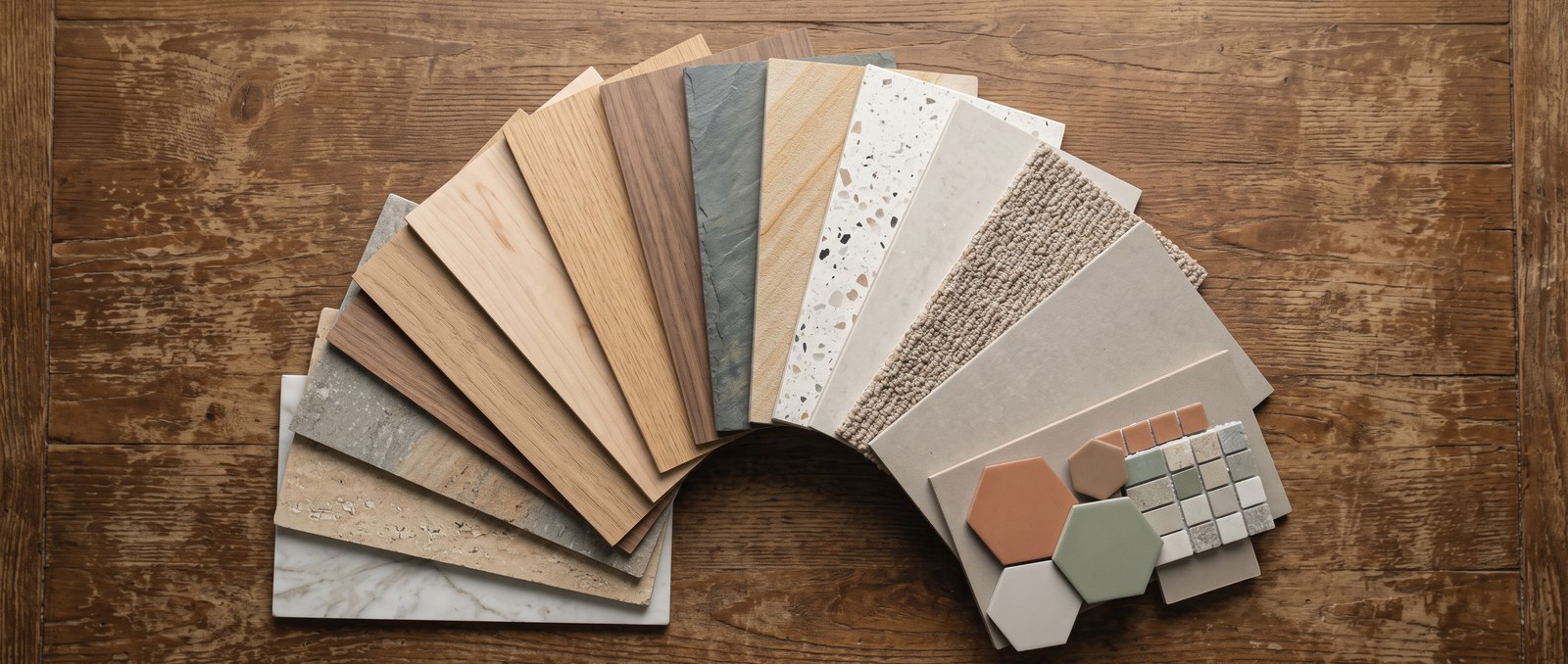
A substitution-of-materials clause lets the builder replace a specified product, brand, or material with one of similar quality without necessarily asking you first — usually because the original item became unavailable. It protects the builder from being stuck when supply changes, but "similar quality" is subjective, so it's worth knowing this clause exists and asking what rights you have around notice or approval before you sign.
Key takeaways
- Substitution clauses exist mainly because of real supply-chain unpredictability, not to quietly downgrade your home.
- "Equal or better quality" is the builder's judgment call unless the contract says otherwise.
- You can often ask for narrower language: notice before a substitution, or approval rights on major items.
- Substitutions tend to show up most on flooring, fixtures, appliances, and exterior materials.
- If a substitution genuinely disappoints you, raise it in writing and ask what the contract actually allows.
Why this clause exists
Construction supply chains are genuinely unpredictable — a specific flooring product, faucet, or appliance model can go out of stock or get discontinued between the day you sign and the day your home is built. A substitution clause gives the builder the ability to keep your project moving with a comparable replacement instead of stalling construction while waiting for one exact item to come back in stock. It's a practical clause, not typically a hidden downgrade mechanism.
What "equal or better quality" typically means in practice
Most substitution clauses use language like "of equal or better quality" — but that judgment is usually the builder's to make, not yours, unless the contract says otherwise. In practice this tends to work fine, since builders generally don't want to create a warranty complaint over a swapped item. But "similar" is inherently a matter of opinion, which is exactly why it's worth reading this clause before you sign rather than discovering it exists after a substitution has already happened.
What buyers can ask for
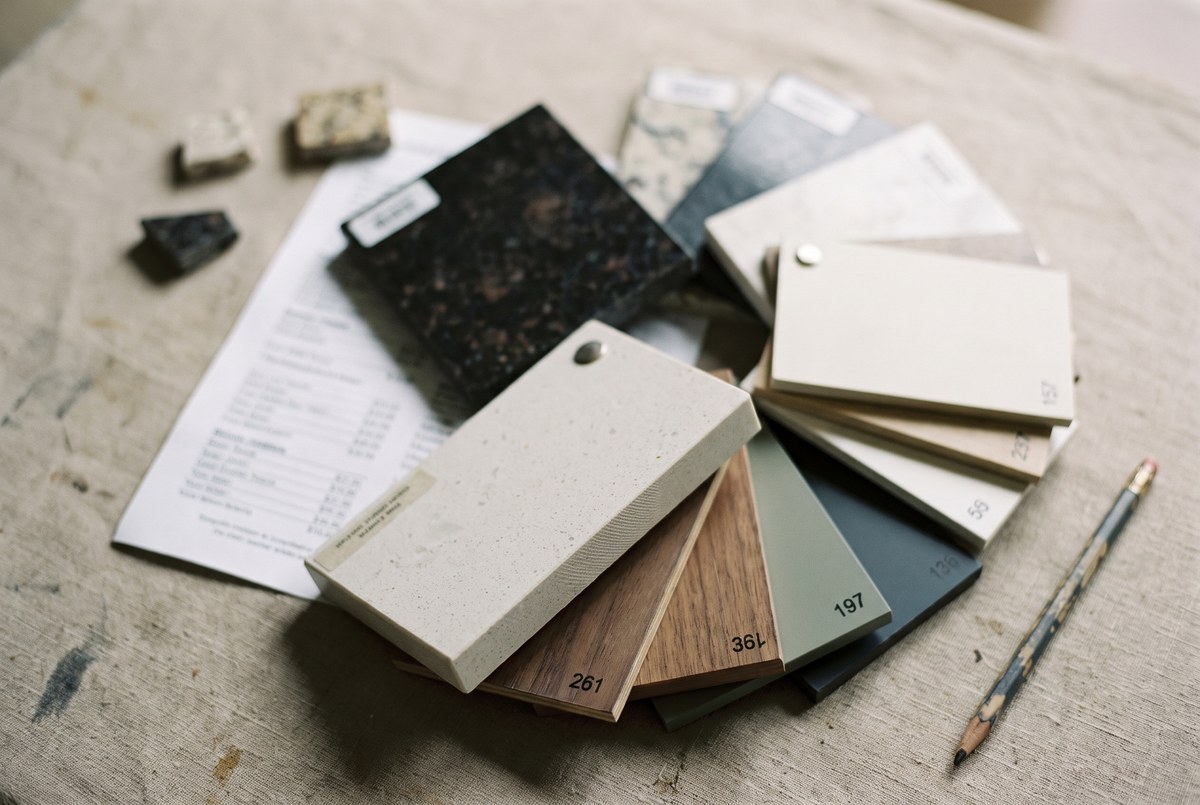
Depending on the builder and how far along the project is, you may be able to ask for narrower terms: written notice before a substitution happens, approval rights on higher-value or highly visible items (like exterior finishes or flooring), or a defined list of acceptable alternate brands. Not every builder will agree, but it's a reasonable question, and one worth raising alongside the rest of your specification sheet review.
What tends to get substituted
In practice, substitutions show up most often on items with the most supply-chain exposure: specific flooring products, plumbing fixtures, appliance models, and sometimes exterior materials like siding or roofing components. Structural elements and core specifications are far less likely to change, since those tend to be governed by building code and engineering requirements rather than product availability.
This is general information, not legal advice. Substitution clauses vary in wording and enforceability from one builder contract to the next — have your lawyer confirm what your specific contract actually allows.
If a substitution disappoints you
Raise it directly and in writing, and ask specifically what the contract's substitution clause allows and what "equal or better" was based on. Whether it's a legitimate use of the clause or worth pushing back on comes down to the exact wording you agreed to — which is one more reason a lawyer review before you sign is worth the modest upfront cost.
Ready to look at actual homes?
Not sure what your contract's substitution clause actually allows? Get in touch — we can help you read it before you sign, not after.

Ryan McCann
Ryan is an Edmonton-based new-construction specialist with MaxWell Polaris and the person behind MoveNew. He's helped over 2,200 clients in the Edmonton area buy and sell their home.
Contact Ryan today at 780-964-8445 to start your new home journey.
Last reviewed 11 August 2026. General information for Edmonton-area buyers — not legal advice. Contract terms, builder practices, and Alberta regulations can change or vary; confirm current details with a real-estate lawyer or the relevant builder before making a decision.
Frequently asked questions
Can I refuse a substitution?
It depends on your specific contract's wording. Some clauses give the builder broad discretion; others require your approval above a certain value or category. Read the clause itself rather than assuming either way.
Does the builder have to tell me before substituting?
Only if the contract requires it. Many standard clauses don't obligate advance notice — this is one of the terms worth asking to have added if it matters to you.
Is a substitution ever a warranty issue?
Generally, a properly substituted item of comparable quality isn't itself a warranty issue. A defect in that substituted item, once installed, would be handled the same way as any other warranty item — see our guide to Alberta's new-home warranty program.
Can this clause be negotiated out?
Sometimes, though builders are often reluctant to remove it entirely given real supply-chain risk. Narrowing it (notice requirements, approval rights on key items) is usually a more realistic ask than removing it.
What if I have a home to sell?
That is common, and it is worth planning early. The timing question is how a builder's possession date lines up with the sale of your current home — completion dates can move, and carrying two homes or bridging the gap has a real cost. Start with a free home evaluation so you know what your current home is worth, then read our guide to selling before buying new construction.
Keep reading