New-Build Home Inspection in Edmonton: When to Inspect and What It Can Reveal
The short answer
A new home can still have deficiencies, from minor finish issues to more significant workmanship problems, because municipal inspections check code compliance, not overall quality. A qualified independent inspection before or at possession can catch issues worth documenting while they're still the builder's responsibility to fix.
Key takeaways
- New doesn't mean defect-free — workmanship issues happen even in homes that pass all required permits.
- Municipal inspections check code compliance at specific stages, not general quality or finish work.
- An independent inspection before or at possession creates a documented record while issues are still clearly the builder's responsibility.
- Some buyers also arrange a pre-drywall inspection to catch issues before they're hidden behind finished walls.
- An inspection report becomes useful leverage in the possession walkthrough and any later warranty conversation.
Why "new" doesn't mean defect-free
New construction still involves dozens of trades working on a tight schedule, which means workmanship issues — a poorly sealed window, an uneven floor transition, an incomplete caulking job — happen even in homes that meet every code requirement. Assuming a new build has nothing to check is one of the more common blind spots for first-time new-home buyers.
Municipal inspection vs. an independent one
City permit inspections confirm code compliance at defined construction stages — they're pass/fail checkpoints, not a full quality assessment. See our guide on what municipal inspections do and don't tell you for the fuller distinction. An independent inspection you hire yourself looks more broadly at workmanship and finish quality, from your perspective as the buyer.

When to schedule an independent inspection
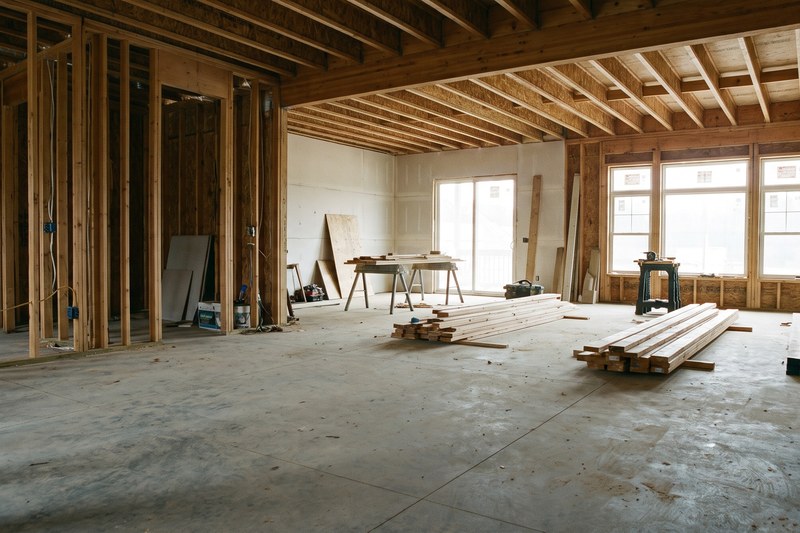
Most buyers schedule an independent inspection close to possession, once the home is essentially complete. Some also arrange a pre-drywall inspection earlier in construction, to catch anything worth flagging before it's sealed behind finished walls. Ask your builder what access they allow at each stage.
Choose an inspector experienced with new construction specifically. New-build issues differ from resale-home issues; an inspector who mainly works on older homes may not be looking for the same things.
What a qualified inspector actually checks
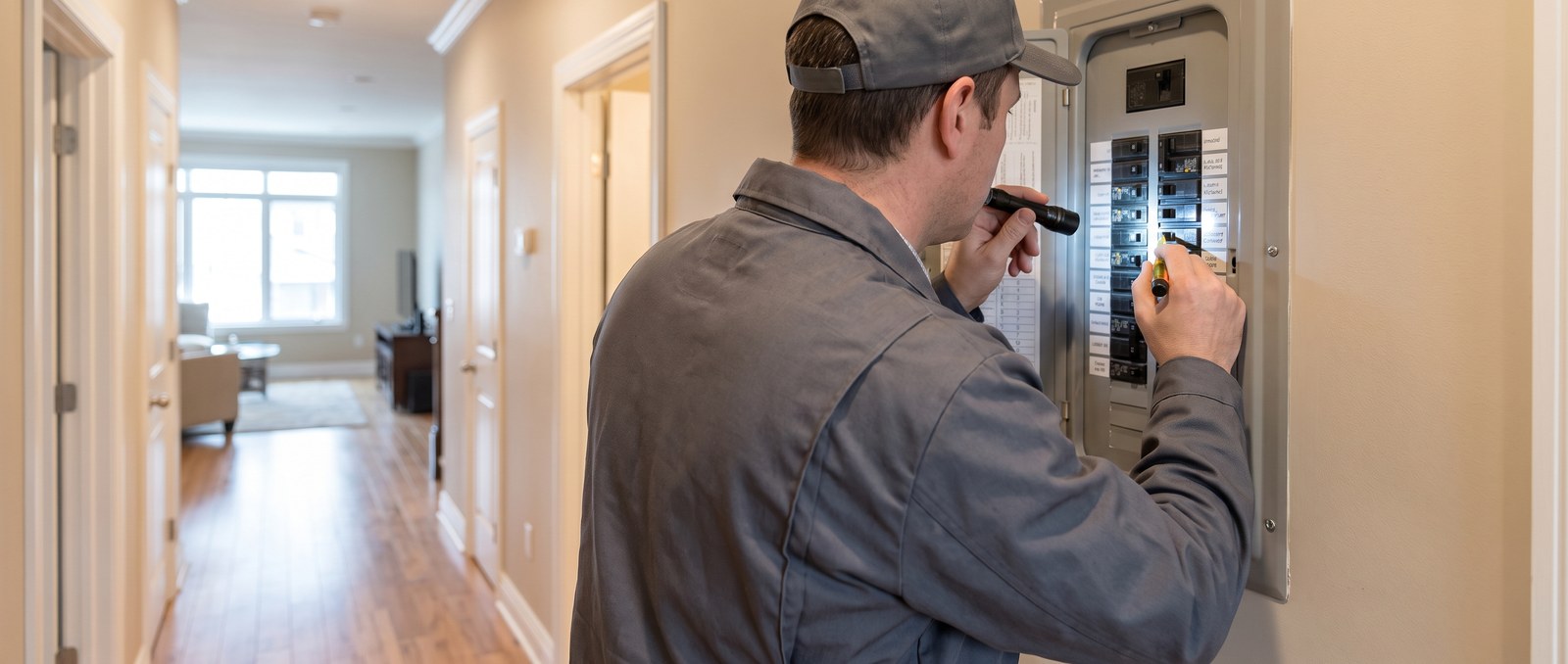
A thorough inspection typically covers the building envelope, grading and drainage around the foundation, window and door seals, electrical panel and outlets, plumbing fixtures and connections, HVAC function, and general finish quality throughout. The Alberta New Home Warranty Program's own guidance on preparing for a new-home inspection outlines a similar scope.
Using the report at possession and beyond
An inspection report gives you a documented, dated list to work from at your pre-possession walkthrough, and later if you need to reference the home's original condition in a warranty conversation. It's one of the more useful pieces of paper you'll have during your first year of ownership.
Ready to look at actual homes?
Planning your pre-possession inspection? Get in touch — we can point you toward inspectors experienced with new-construction specifically.

Ryan McCann
Ryan is an Edmonton-based new-construction specialist with MaxWell Polaris and the person behind MoveNew. He's helped over 2,200 clients in the Edmonton area buy and sell their home.
Contact Ryan today at 780-964-8445 to start your new home journey.
Last reviewed 11 August 2026. General information for Edmonton-area buyers — not legal advice. Contract terms, builder practices, and Alberta regulations can change or vary; confirm current details with a real-estate lawyer or the relevant builder before making a decision.
Frequently asked questions
Is a new-home inspection required in Alberta?
No, it's not required, but it's a reasonable step many buyers choose to take before or at possession.
How much does a new-home inspection typically cost?
Costs vary by inspector and home size. Get a few quotes and confirm exactly what's included in the scope.
Can I attend the inspection myself?
Most inspectors welcome this and it's a good opportunity to ask questions directly about anything they find.
Does the builder need to be present?
Not necessarily for the inspection itself, though you'll typically want to share the report with them afterward to discuss any findings.
What if I have a home to sell?
That is common, and it is worth planning early. The timing question is how a builder's possession date lines up with the sale of your current home — completion dates can move, and carrying two homes or bridging the gap has a real cost. Start with a free home evaluation so you know what your current home is worth, then read our guide to selling before buying new construction.
Keep reading