Quick-Possession vs. Building From a Floor Plan in Edmonton: Which Fits You Better?
The short answer
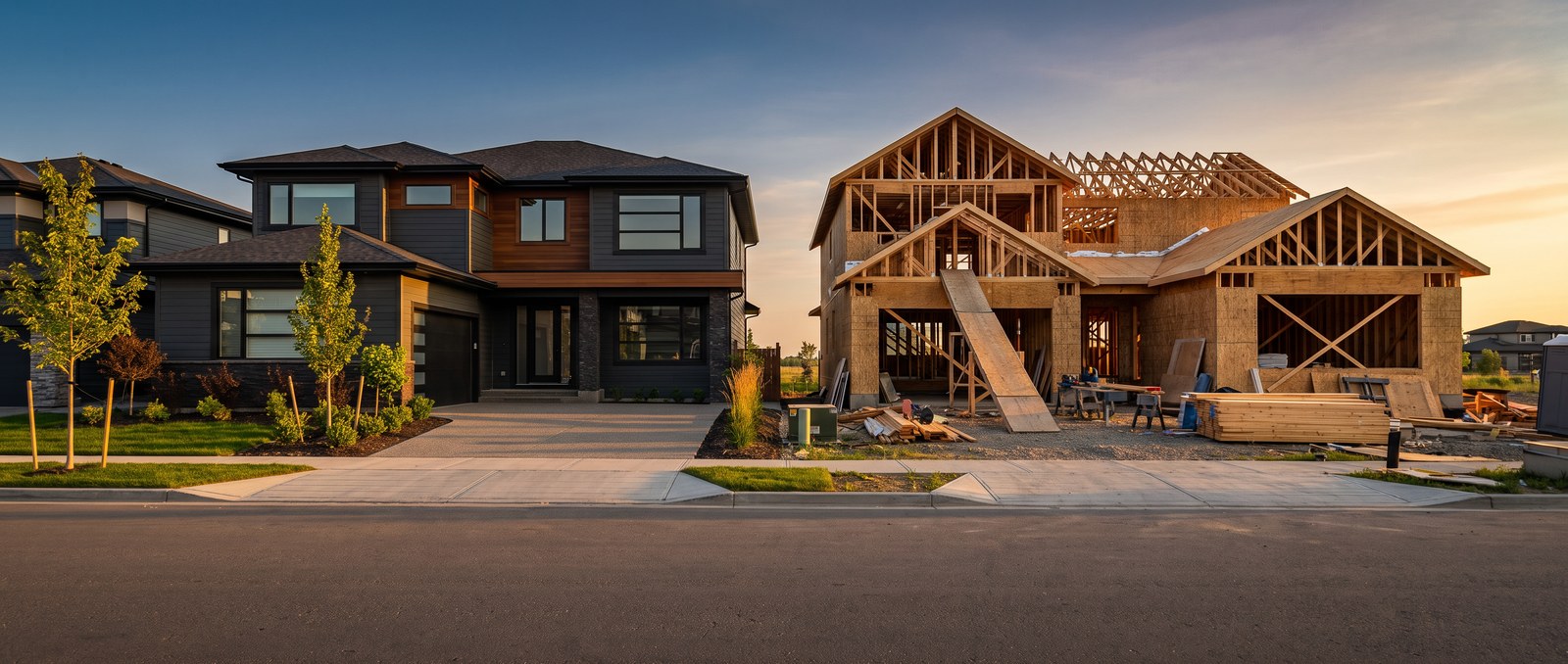
A quick-possession home is built or nearly built, so you can see (mostly) what you're getting and move in sooner, with less control over layout and finishes. Building from a floor plan takes longer and carries more uncertainty, but lets you choose the layout, lot, and specifications from the start.
Key takeaways
- Quick possession means the home is complete or close to it, on a set lot the builder already chose.
- Building from a floor plan gives you more say over layout, lot, and finishes, but adds months to timeline uncertainty.
- Quick possession homes are easier to evaluate because you can walk the actual finished space before committing.
- A floor-plan build usually means a longer window of design-centre decisions and change-order opportunities.
- Your own timeline — not just preference — often decides which path makes sense.
What a quick-possession home actually is
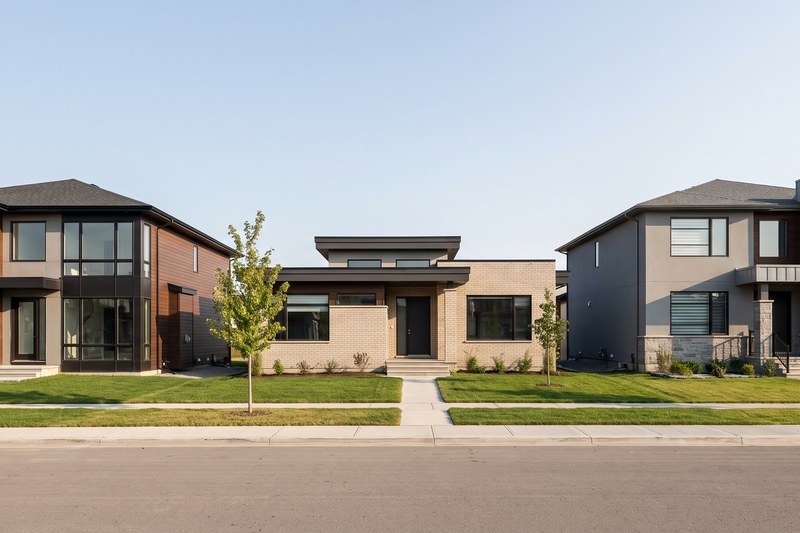
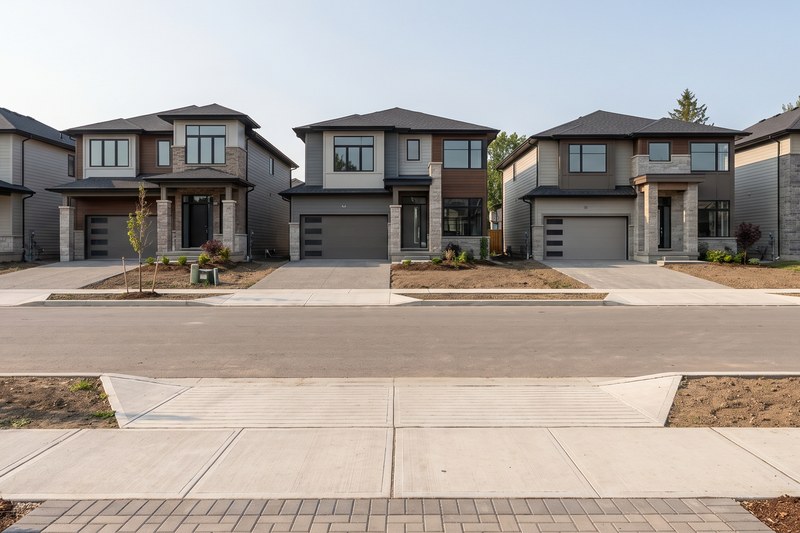
A quick-possession home is one the builder has already started, or finished, on a lot they already own — sometimes called spec inventory. Because it's built (or mostly built) before you buy it, you can walk the actual home, see the actual finishes, and know your actual possession date within a fairly tight window. The lot, orientation, and most specifications were chosen by the builder, not you. See our breakdown of spec, production, and custom homes for how these terms relate.
What building from a floor plan involves
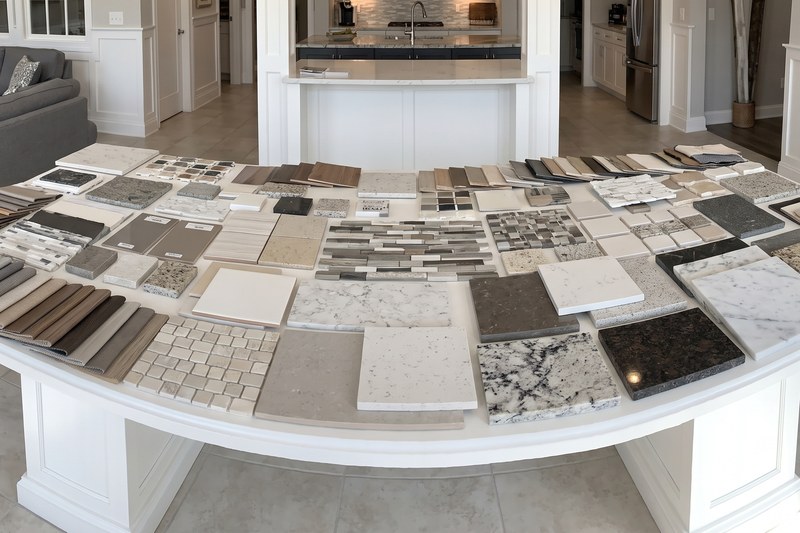
Building from a floor plan means choosing a design before the home exists, picking your lot from what's available, and working through a series of decisions — structural options, then design-centre selections — before construction finishes. You get more input, but you're buying a home you can't yet walk through, on a completion date that's an estimate rather than a fact. See our guide on how those estimates work.
The real timeline difference between the two
Quick-possession homes typically close in weeks to a few months, depending on how far along construction is when you buy. A floor-plan build in the Edmonton area more commonly runs several months to close to a year from contract to possession, depending on the builder's current schedule and how much of the home is customized. If your own timeline is fixed — a lease ending, a sale already in progress — that constraint often matters more than which option you'd prefer on paper.
Ask for the build stage, not just the possession date. Two homes both listed as "quick possession" can be at different stages of completion. Ask specifically what's done, what's left, and what that means for your move-in date.
The control-versus-certainty tradeoff
Quick possession trades design control for certainty — what you see is close to what you'll get, on a timeline you can plan around. Building from a plan trades that certainty for more input on layout, lot choice, and finishes, with a longer runway where things (materials, schedules, your own circumstances) can shift. Neither is the "better" choice; they suit different priorities.
A simple way to decide which fits you
Start with your timeline: if you need to be in a home by a specific date, quick possession removes most of the guesswork. If your timeline has flexibility and layout or lot matter more to you than moving in soon, building from a plan is worth the wait. Many buyers end up comparing a specific quick-possession show home against a specific floor plan side by side, rather than deciding the category in the abstract.
Want to compare these communities with live inventory?
Weighing a specific quick-possession home against building from a plan? Get in touch — we'll walk through both options against your actual timeline.

Ryan McCann
Ryan is an Edmonton-based new-construction specialist with MaxWell Polaris and the person behind MoveNew. He's helped over 2,200 clients in the Edmonton area buy and sell their home.
Contact Ryan today at 780-964-8445 to start your new home journey.
Last reviewed 11 August 2026. General information for Edmonton-area buyers — not legal advice. Contract terms, builder practices, and Alberta regulations can change or vary; confirm current details with a real-estate lawyer or the relevant builder before making a decision.
Frequently asked questions
Can I still make changes to a quick-possession home?
Usually only cosmetic ones, and only if construction hasn't reached that stage yet. Structural layout is typically already locked in. See our quick-possession checklist for what's realistic.
Is a quick-possession home cheaper?
Not necessarily by design, though it can work out that way if the builder is motivated to sell finished inventory. Compare total price and included specifications the same way you would any other home, not just the label.
How much does a floor-plan build actually cost in extra time?
It varies by builder and current demand, but several months beyond a comparable quick-possession home is common in the Edmonton market. Ask your specific builder for their current estimated timeline rather than relying on a general rule.
Can I negotiate more on a quick-possession home?
Sometimes, particularly on standing inventory the builder wants to move. See our guide on what's negotiable for the general pattern.
What if I have a home to sell?
That is common, and it is worth planning early. The timing question is how a builder's possession date lines up with the sale of your current home — completion dates can move, and carrying two homes or bridging the gap has a real cost. Start with a free home evaluation so you know what your current home is worth, then read our guide to selling before buying new construction.
Keep reading