The Design-Centre Budget: How to Set Priorities Before Your Appointment
The short answer
Design-centre appointments move quickly and are easy to overspend in without a plan. Set a firm total upgrade budget beforehand, rank your priorities from must-have to nice-to-have, and decide in advance which categories you're not spending on at all.
Key takeaways
- Set a total upgrade budget before your appointment, separate from your home's base price.
- Rank upgrades into must-have, would-like, and skip categories ahead of time, not in the room.
- Structural and behind-the-wall items generally deserve priority over cosmetic finish upgrades.
- It's easy to lose track of running total across many small selections — ask for a running tally as you go.
- Decide in advance which categories you won't spend on at all, so you're not deciding in the moment.
Why design-centre appointments move faster than you expect
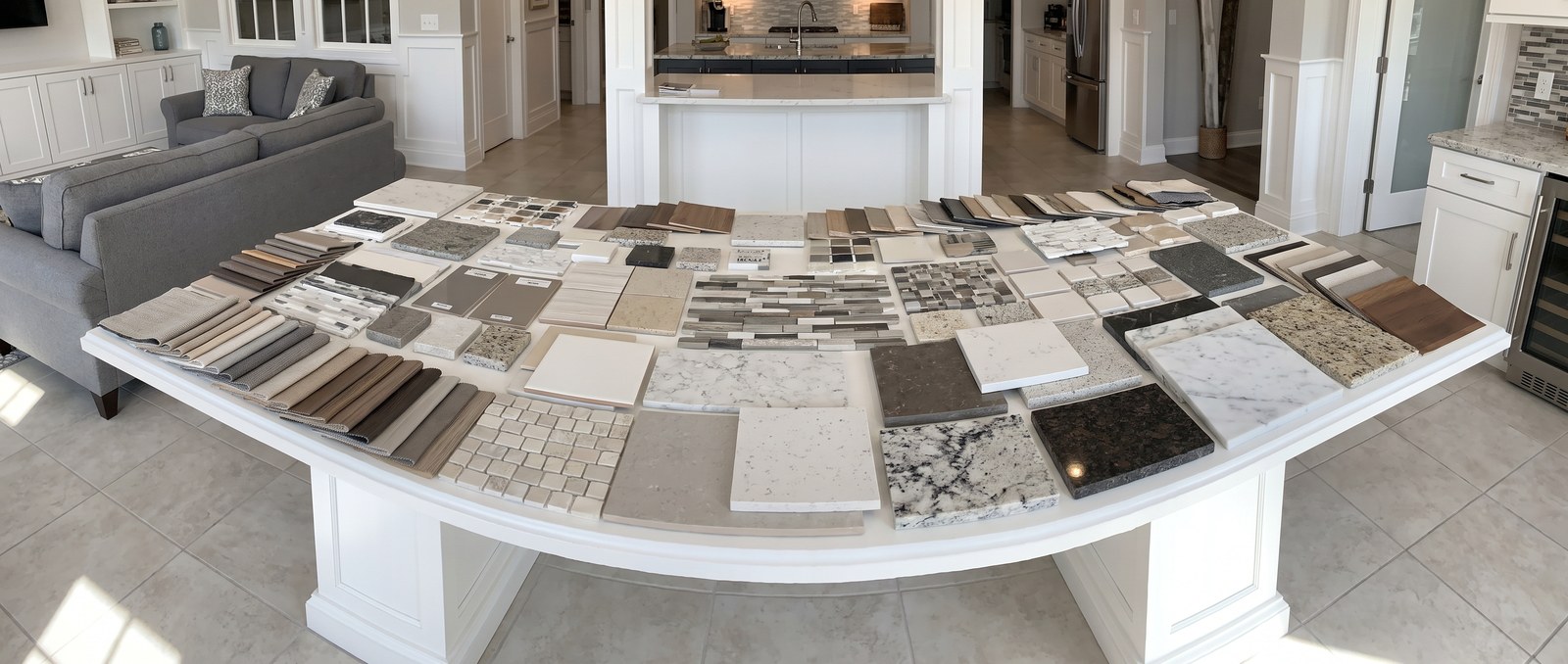
A design-centre appointment typically covers dozens of individual selections in a few hours — flooring, cabinetry, countertops, lighting, plumbing fixtures, paint. Each choice on its own feels small, but the pace makes it easy to say yes to several upgrades in a row without stepping back to see the running total.
Set a total budget before you walk in
Decide on a firm total upgrade budget before your appointment, separate from your home's base price and other closing costs. Having a number in mind before you're sitting across from a designer makes it much easier to say no to something that isn't a priority.
Rank your priorities ahead of time
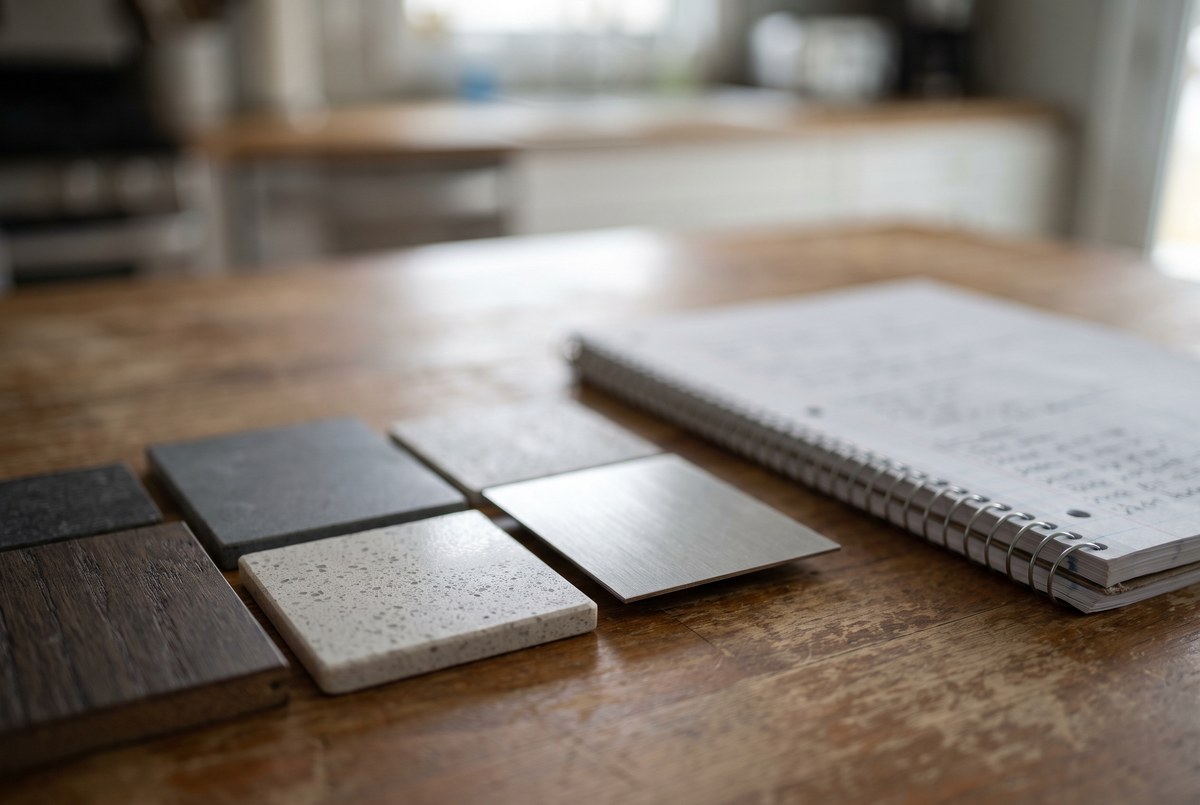
Before your appointment, sort your wish list into three groups: must-have, would-like-if-budget-allows, and skip. Walking in with this already decided means you're working from a plan in the room, not making priority calls on the spot under time pressure. If you're torn on a specific category, our look at which upgrades tend to hold value is one reasonable tiebreaker.
Decide your "won't spend on this" categories too. Knowing upfront that you're skipping, say, upgraded lighting entirely removes an entire category of in-the-room decisions.
Weight structural items over cosmetic ones
If your budget is limited, prioritize anything that has to happen through the builder now — structural changes, electrical rough-ins — over cosmetic finishes you could reasonably do yourself, or skip for now, after possession.
Ask for a running total as you go
Ask your designer to show you a running total after each major selection rather than waiting for a final summary at the end. It's a simple request that keeps you working against your actual budget in real time instead of discovering the total after the appointment is already over.
Want to compare these communities with live inventory?
Heading into a design-centre appointment soon? Get in touch — we'll help you build a priority list before you go in.

Ryan McCann
Ryan is an Edmonton-based new-construction specialist with MaxWell Polaris and the person behind MoveNew. He's helped over 2,200 clients in the Edmonton area buy and sell their home.
Contact Ryan today at 780-964-8445 to start your new home journey.
Last reviewed 11 August 2026. General information for Edmonton-area buyers — not legal advice. Contract terms, builder practices, and Alberta regulations can change or vary; confirm current details with a real-estate lawyer or the relevant builder before making a decision.
Frequently asked questions
How long does a typical design-centre appointment take?
It varies by builder and how many selections are involved, but a few hours is common. Ask your builder for an estimate so you can plan your day around it.
Can I bring someone else to help me decide?
Most builders allow this, and a second perspective can help you stick to your priority list under time pressure. Confirm with your builder beforehand.
What happens if I go over my budget in the appointment?
You can typically pause and finalize decisions after the appointment rather than committing on the spot. Ask your designer what the process is for adjusting a selection afterward.
Should I bring inspiration photos?
It can help communicate what you want quickly, but be prepared that not everything you've seen elsewhere will be available through this specific builder's supplier list.
What if I have a home to sell?
That is common, and it is worth planning early. The timing question is how a builder's possession date lines up with the sale of your current home — completion dates can move, and carrying two homes or bridging the gap has a real cost. Start with a free home evaluation so you know what your current home is worth, then read our guide to selling before buying new construction.
Keep reading