New-Home Upgrades in Edmonton: What to Do Through the Builder and What to Do Later
The short answer
Anything behind the walls — wiring, plumbing rough-ins, structural changes — has to happen through the builder before drywall, because it's difficult and expensive to add later. Cosmetic upgrades like light fixtures, backsplash, or paint are often cheaper done yourself after possession with your own contractor.
Key takeaways
- Behind-the-wall work (wiring, plumbing rough-ins, structural changes) has one real window: before drywall.
- Builder pricing on structural and rough-in upgrades usually reflects genuine complexity, not just markup.
- Cosmetic finishes — light fixtures, hardware, backsplash — are often cheaper sourced and installed after possession.
- Builder-supplied appliances and window coverings are sometimes negotiable to exclude if you'd rather source your own.
- A simple test: if it requires opening a wall, do it now; if it doesn't, you can usually wait.
What genuinely has to happen through the builder
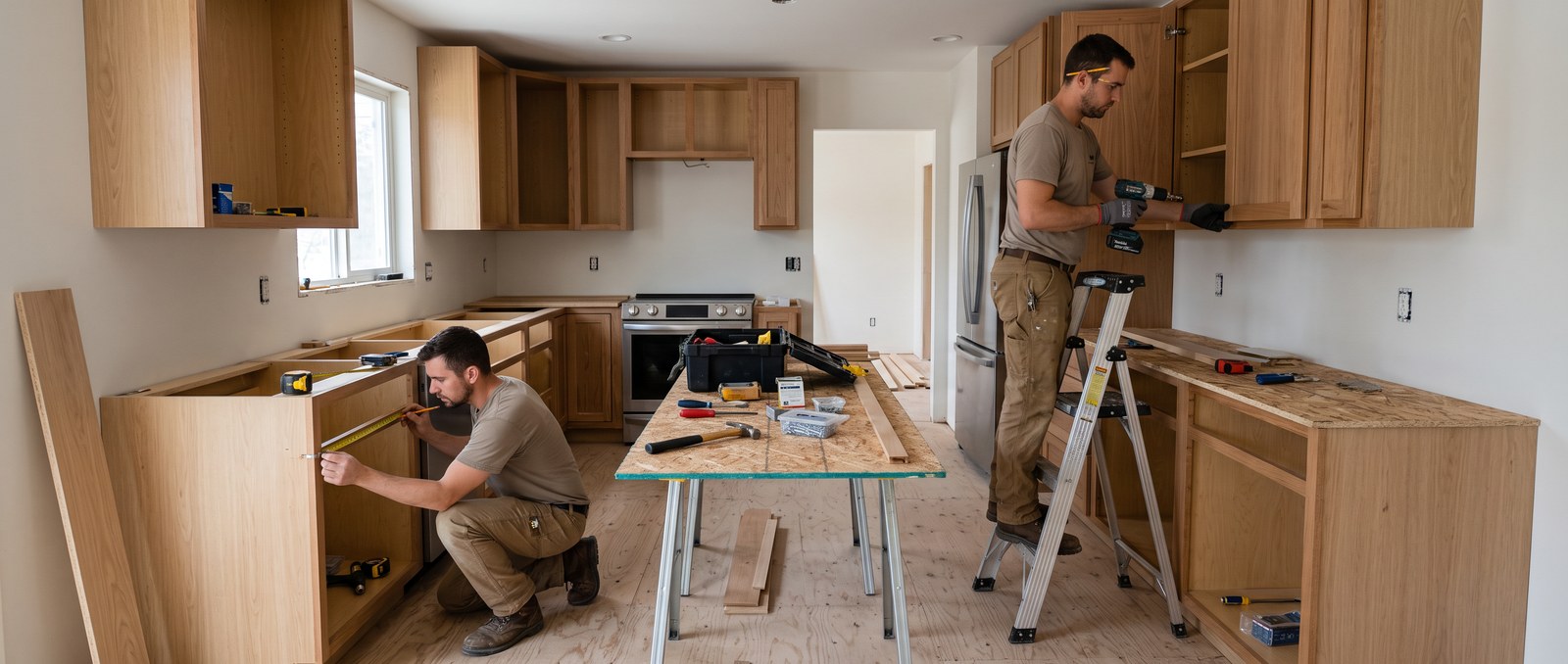
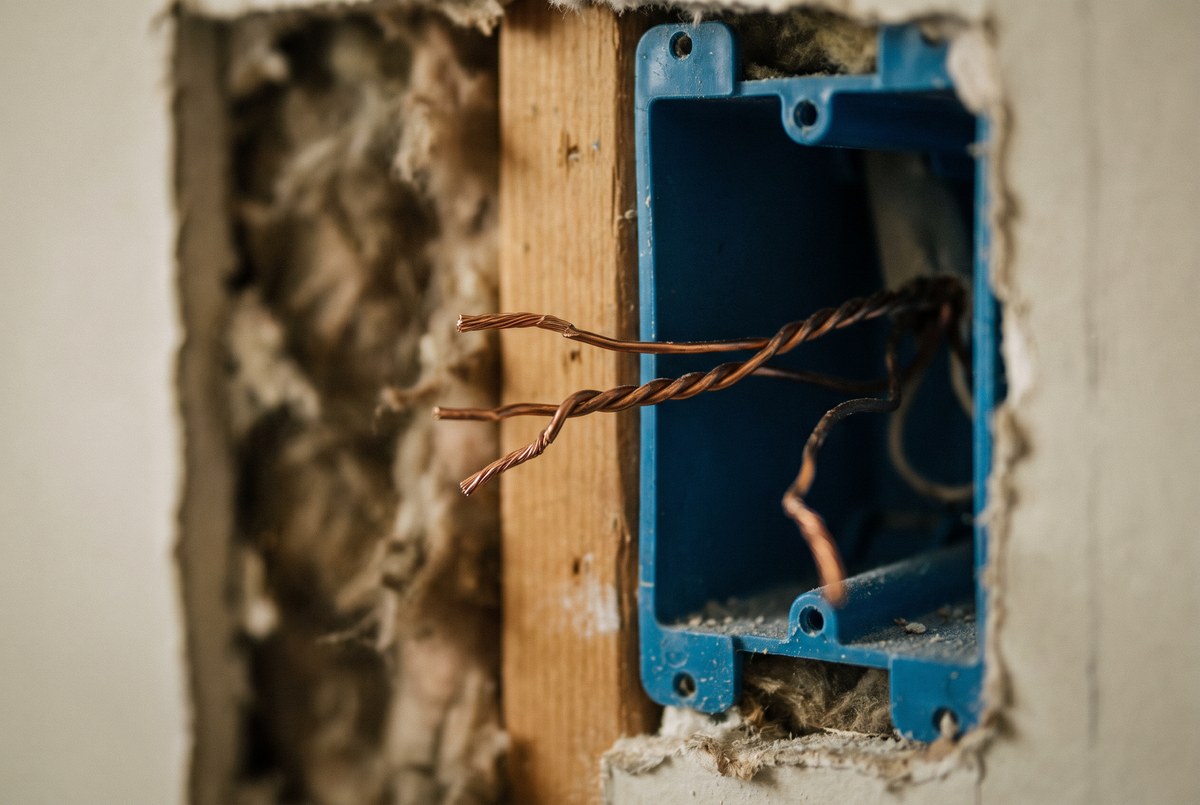
Anything located inside a wall, floor, or ceiling that will be closed up during construction — extra electrical outlets, moved plumbing, structural wall changes, in-floor heating, prewiring for future features — has one practical window to happen in: before drywall goes up. After that point, the same work means cutting into finished walls, which is significantly more disruptive and expensive.
Why rough-in pricing reflects real complexity
Builder pricing on structural and rough-in change orders often looks high compared to a simple retail cost, but it typically reflects real complexity — coordinating multiple trades, adjusting other systems around the change, and the builder's own scheduling. It's worth asking for a clear price rather than assuming it's simply marked up.
What's usually safe to do later, yourself
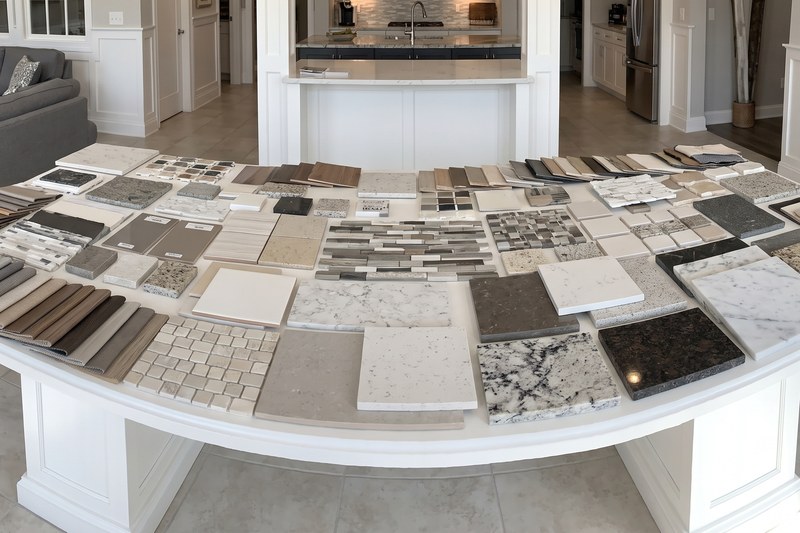
Cosmetic and surface-level changes — light fixtures, cabinet hardware, backsplash tile, paint colour, closet organizers — don't require opening anything that's already closed up, so they can typically be done just as easily after possession, often at a lower cost with your own contractor or supplier.
Compare the builder's price against a rough outside quote before deciding. For cosmetic items specifically, it's worth a quick call to a local contractor or supplier to see whether waiting actually saves you money on your specific upgrade.
Where the cost comparison actually favours waiting
Appliances, light fixtures, and window coverings are common examples where sourcing your own after possession can cost less than the builder's package, since you're not paying for the builder's supplier markup or installation bundling. Ask whether these can be excluded from your price if you plan to source them yourself.
A simple test for sorting the two
If the change requires opening a wall, floor, or ceiling that will be closed during construction, it needs to happen now, through the builder. If it doesn't — if it's a fixture, finish, or surface-level swap — you can usually wait and compare pricing after possession. When in doubt, ask the builder directly whether a specific item is structural or cosmetic.
Want to compare these communities with live inventory?
Not sure whether a specific upgrade needs to happen now? Get in touch — we'll help you sort your list into now-or-never versus can-wait.

Ryan McCann
Ryan is an Edmonton-based new-construction specialist with MaxWell Polaris and the person behind MoveNew. He's helped over 2,200 clients in the Edmonton area buy and sell their home.
Contact Ryan today at 780-964-8445 to start your new home journey.
Last reviewed 11 August 2026. General information for Edmonton-area buyers — not legal advice. Contract terms, builder practices, and Alberta regulations can change or vary; confirm current details with a real-estate lawyer or the relevant builder before making a decision.
Frequently asked questions
Can I add electrical outlets after possession?
It's possible but typically requires opening finished walls, which is more disruptive and often more expensive than doing it as a builder rough-in before drywall.
Is it always cheaper to buy my own appliances?
Not always, but it's worth comparing — ask the builder if appliances can be excluded from your price if you plan to source your own.
What about smart home wiring?
Any wiring you want run inside walls should be planned before drywall, even if the actual devices are installed later.
Can I negotiate to do some upgrades myself instead of through the builder?
Sometimes, particularly for cosmetic items. Ask directly which specific inclusions can be excluded from your price.
What if I have a home to sell?
That is common, and it is worth planning early. The timing question is how a builder's possession date lines up with the sale of your current home — completion dates can move, and carrying two homes or bridging the gap has a real cost. Start with a free home evaluation so you know what your current home is worth, then read our guide to selling before buying new construction.
Keep reading