Is Your New-Build Deposit Protected? Questions to Ask Before Paying

The short answer
Not automatically. Whether a new-build deposit is protected depends on how the specific funds are held and what arrangements apply to your particular purchase — it isn't a blanket guarantee that comes with every builder transaction. Ask directly where your money goes and what protects it, ideally with your lawyer's review, before you pay.
Key takeaways
- Deposit protection is not automatic or universal — it depends on the specific arrangement.
- Ask directly where your deposit funds are held until closing.
- A lawyer's review before you pay is more useful than a review after something goes wrong.
- Understand what happens to your deposit under different scenarios before they become relevant.
- This is a question worth asking regardless of how reputable a builder seems.
Why protection isn't automatic
It's easy to assume that money paid to a licensed builder is inherently safe, but deposit protection depends on the specific arrangement — how the funds are held, what contractual terms apply, and what recourse exists if something goes wrong. This isn't meant to alarm; most new-build purchases in Edmonton close without incident. But "most transactions go fine" isn't the same as "your deposit is guaranteed protected," and it's worth understanding the difference before you're the exception.
Asking where your deposit money actually goes
Ask plainly: is the deposit held in trust until closing, or does the builder use it directly for construction costs? Trust arrangements and direct-use arrangements carry different implications if something interrupts the purchase. This is a legitimate, ordinary question to ask any builder — not a sign of distrust.
Why a lawyer's review matters before, not after
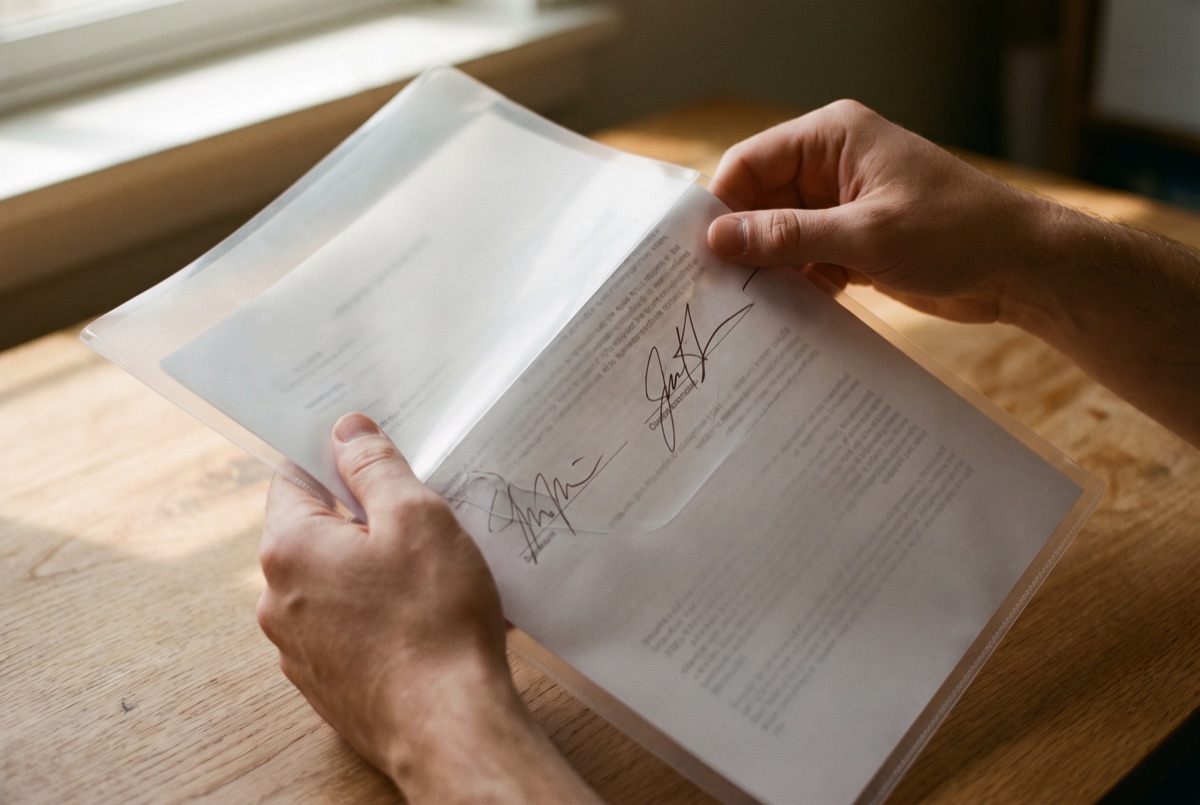
A real estate lawyer can review your specific purchase agreement's deposit terms before you pay anything — identifying how funds are held, what triggers forfeiture, and what protections (if any) apply to your situation. This is meaningfully more useful before money changes hands than after, when your options narrow considerably. See our piece on who does what in a new-build purchase for where this fits into the overall process.
Ask before you pay, not after. Once a deposit has changed hands, your options for addressing a problem are narrower than if the terms were reviewed beforehand. Build the lawyer review into your timeline before signing.
The specific questions worth asking
- Is my deposit held in trust, and if so, by whom?
- What happens to my deposit if the builder cannot complete the home as agreed?
- What are the specific forfeiture conditions in my purchase agreement?
- Is there any third-party protection that applies to this specific transaction?
Get the answers in writing, and have your lawyer confirm they match what's actually in the purchase agreement — verbal assurances and contract language don't always align.
Why this matters even with a reputable builder
This isn't specific to any one builder's reputation — it's about understanding a structural feature of new-construction purchases generally. Even well-established builders vary in how they structure deposits, and confirming the specifics protects you regardless of how the relationship otherwise feels. Once you're comfortable with the deposit structure, our piece on how much deposit builders typically require covers the amounts and timing side of the equation.
Want to see what your budget actually buys right now?
About to pay a deposit and want a second opinion? Get in touch — no obligation, and no pressure to use us.

Ryan McCann
Ryan is an Edmonton-based new-construction specialist with MaxWell Polaris and the person behind MoveNew. He's helped over 2,200 clients in the Edmonton area buy and sell their home.
Contact Ryan today at 780-964-8445 to start your new home journey.
Last reviewed 4 August 2026. General information for Edmonton-area buyers — not legal advice. Deposit protections vary by transaction and builder; have a real estate lawyer review your specific purchase agreement before paying a deposit.
Frequently asked questions
Is my deposit automatically protected just because I'm buying from a licensed builder?
Not automatically — protections depend on how the specific deposit is held and what arrangements apply to your purchase. Ask directly rather than assuming.
Where does my deposit money actually go?
This varies by builder and transaction — it may be held in trust, used by the builder directly, or handled some other way. Ask specifically where the funds are held until closing.
Should my lawyer review this before I pay a deposit?
Yes. A real estate lawyer can review how your deposit is held and what protections apply before you pay it, which is more useful than reviewing after the fact.
What happens to my deposit if the builder becomes unable to complete the home?
This depends entirely on how your specific deposit was held and what protections applied. It is exactly the scenario worth understanding in advance, before it becomes relevant.
What if I have a home to sell?
That is common, and it is worth planning early. The timing question is how a builder's possession date lines up with the sale of your current home — completion dates can move, and carrying two homes or bridging the gap has a real cost. Start with a free home evaluation so you know what your current home is worth, then read our guide to selling before buying new construction.
Keep reading