Basement Development in a New Build: Builder-Finished or Complete It Later?
The short answer
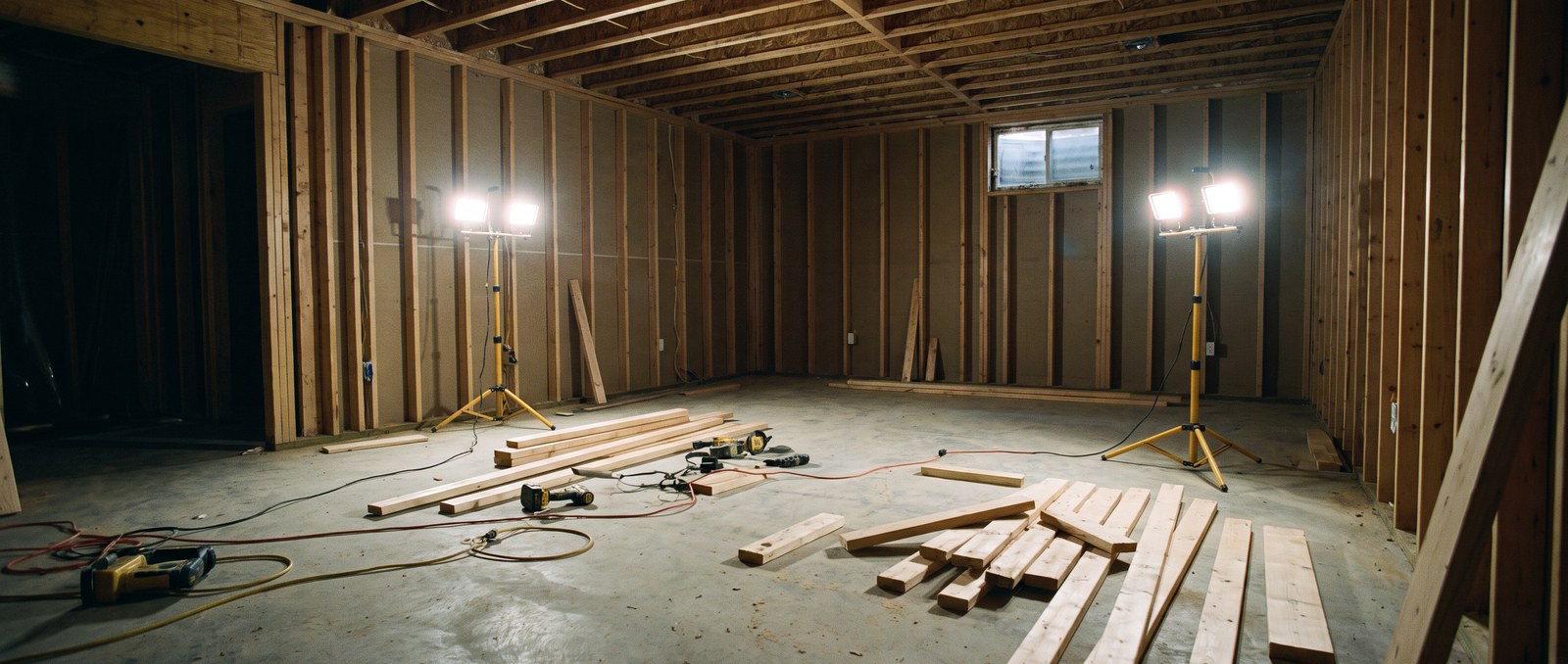
Builder-finished basement development rolls the cost into your mortgage, spreading it over your amortization at your mortgage rate. Completing it later usually costs less in total but requires separate financing or savings. The right choice depends on your cash flow and how soon you actually need the space.
Key takeaways
- Builder-finished basements roll cost into your mortgage, spreading payments over your full amortization.
- A later basement development is typically financed separately, often at a higher rate than a mortgage.
- Builder pricing on basement development often reflects convenience and bundled labour, not just materials.
- Waiting gives you time to save and more control over the final design and finishes.
- How soon you actually need the space matters as much as the pure cost comparison.
How builder-financed basement development works
When a builder finishes your basement as part of the build, its cost is typically rolled into your total purchase price and financed as part of your mortgage. That spreads the cost over your full amortization at your mortgage rate, which is often lower than other forms of borrowing, and avoids a separate loan application after possession. It's one more line item worth including in your closing-cost budget.
The real cost of financing it separately later
Completing the basement after possession usually means paying out of savings or financing it separately — a line of credit or renovation loan — typically at a higher rate than your mortgage. The total project cost is often lower doing it this way, since you're not paying the builder's bundled markup, but the financing itself may cost more per dollar borrowed.
What's usually behind the builder's price
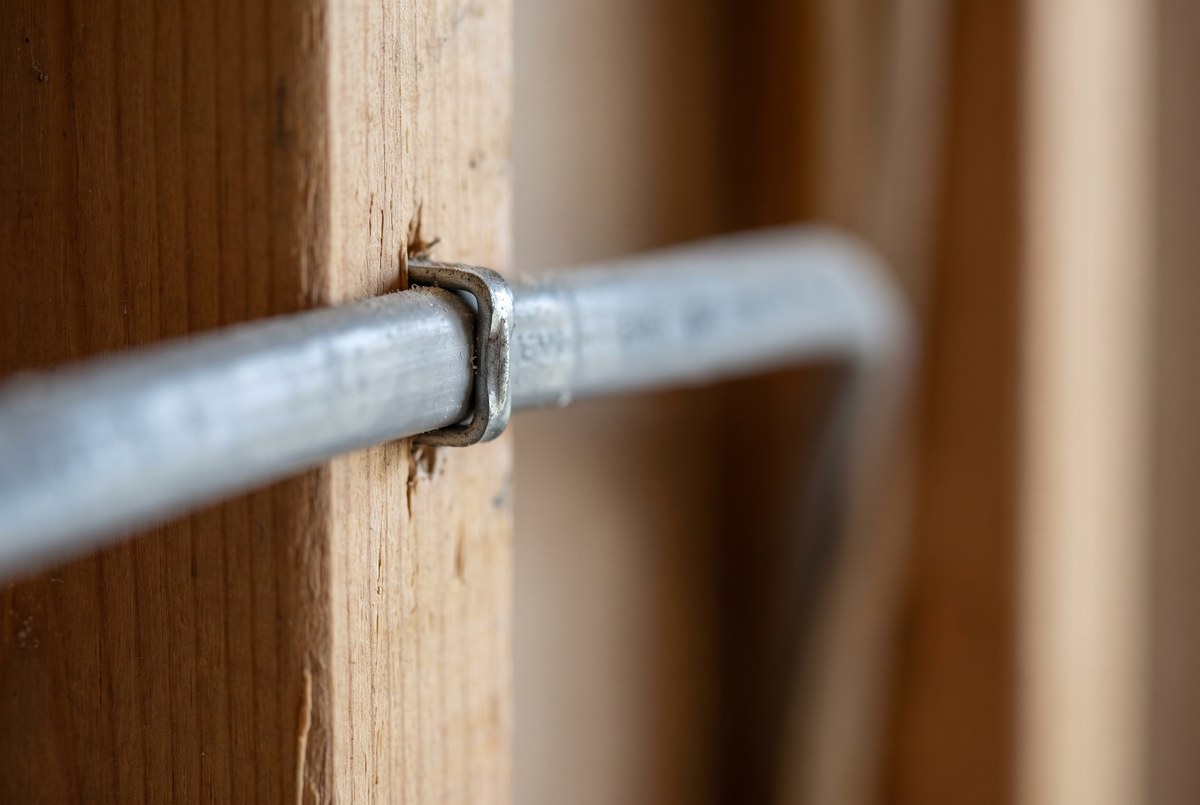
Builder basement development pricing typically reflects convenience — the work happens on the same site, coordinated by the same trades, without you managing a separate renovation project. That convenience is a real value for some buyers and not worth paying for others, depending on how much time and effort you're willing to put into managing the work yourself later.
Get an actual outside quote before deciding. Comparing the builder's basement development price against a real quote from a local contractor, not a rough estimate, gives you the clearest picture of the true savings from waiting.
Control, timing, and how soon you need the space
Waiting gives you more time to save, compare contractor quotes, and refine exactly what you want in the space. If you need the extra square footage right away — a growing family, a home office you'll use immediately — that timing pressure may outweigh the savings from waiting. The math also shifts if you're on a walkout lot, since a walkout basement is closer to finished living space than a standard below-grade one.
How to decide which approach fits you
Compare the builder's basement development price against a real outside quote, factor in your available financing options and their respective rates, and weigh that against how soon you actually need the finished space. There's no universally right answer — it comes down to your own cash flow and timeline.
Want to compare these communities with live inventory?
Weighing builder-finished basement development against waiting? Get in touch — we'll help you run the real numbers on both paths.

Ryan McCann
Ryan is an Edmonton-based new-construction specialist with MaxWell Polaris and the person behind MoveNew. He's helped over 2,200 clients in the Edmonton area buy and sell their home.
Contact Ryan today at 780-964-8445 to start your new home journey.
Last reviewed 11 August 2026. General information for Edmonton-area buyers — not legal advice. Contract terms, builder practices, and Alberta regulations can change or vary; confirm current details with a real-estate lawyer or the relevant builder before making a decision.
Frequently asked questions
Does rolling the cost into my mortgage cost more overall?
It depends on the specific rates and amortization involved. It's worth comparing the total cost of mortgage financing against a separate loan or line of credit for your specific numbers.
Can I develop only part of the basement now and the rest later?
Often yes, though it depends on the builder and your specific plan. Ask what partial development options are available.
Does an unfinished basement affect resale value?
It can, since a finished basement typically adds appealing usable space for future buyers. Weigh this against your own near-term financing and timing needs.
Is builder basement pricing negotiable?
Sometimes, particularly bundled with other upgrades. See our guide on what's negotiable for the general pattern.
What if I have a home to sell?
That is common, and it is worth planning early. The timing question is how a builder's possession date lines up with the sale of your current home — completion dates can move, and carrying two homes or bridging the gap has a real cost. Start with a free home evaluation so you know what your current home is worth, then read our guide to selling before buying new construction.
Keep reading