Price Per Square Foot on a New Build: Why It Can Mislead Edmonton Buyers
The short answer
Price per square foot looks like a clean, objective way to compare homes, but it can hide real differences — how square footage is measured, the lot premium baked into the total, and the finish level included. Use it as one data point among several, not the deciding factor, especially when comparing homes across different builders or communities.
Key takeaways
- Builders don't all measure square footage the same way — confirm what's included before comparing.
- Smaller homes often carry a higher price per square foot because fixed costs don't scale down proportionally.
- Lot premium is baked into the total price, which distorts the per-square-foot number between different lots.
- Finish level and included specification affect price independent of size.
- Use price per square foot alongside other factors, not as the sole comparison.
Why measurement methods differ between builders
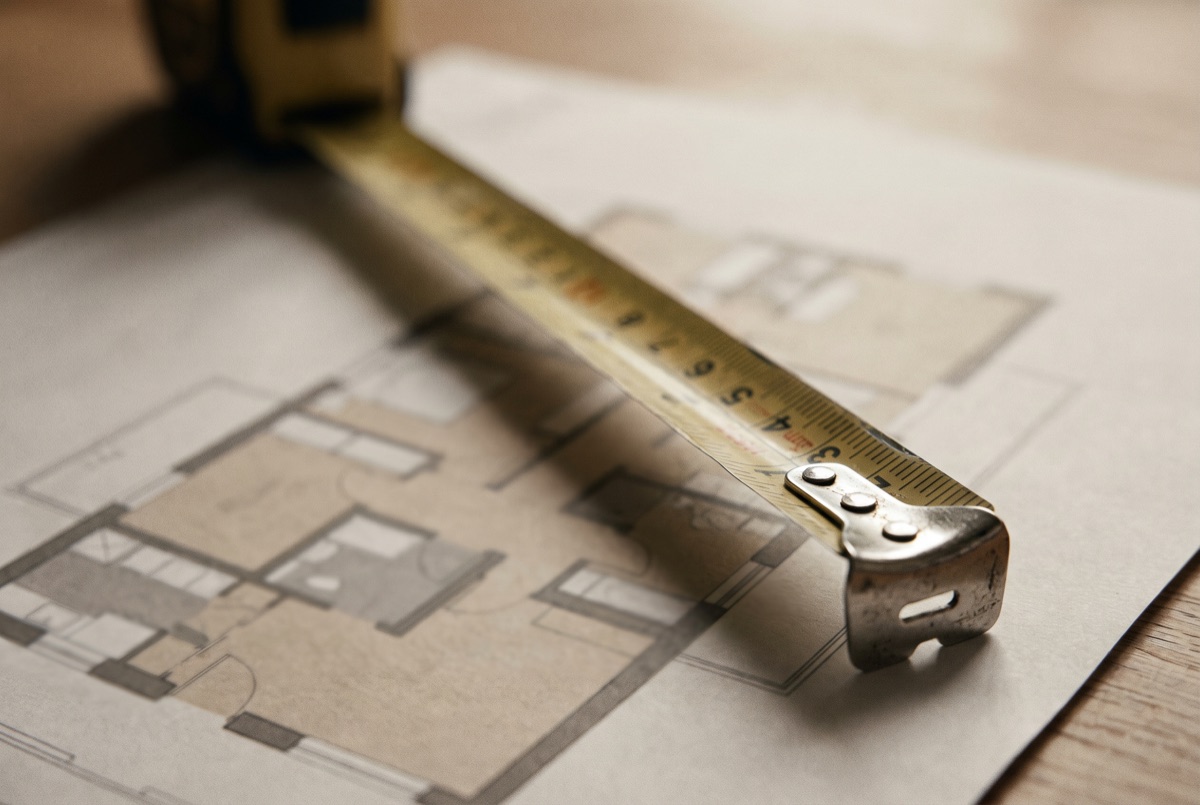
Not every builder calculates square footage the same way. Some quote above-grade living space only; others include finished basement area in the total. A home advertised at a lower price per square foot might simply be counting more area in its denominator — not actually offering more value. Always confirm exactly what's included in a quoted figure before comparing it to another home.
Why smaller homes often cost more per square foot
Kitchens, bathrooms, and mechanical systems (furnace, water heater, electrical panel) cost roughly the same to install regardless of the home's overall size. In a smaller home, those fixed costs are spread across fewer square feet, which pushes the per-square-foot number up — even though the smaller home has a lower total price. This is a normal, expected pattern, not a sign that the smaller home is a worse deal.
Compare like-for-like where possible. Price per square foot is most useful when comparing genuinely similar homes — same builder, same measurement method, similar lot type. Across different builders and communities, treat it as a rough signal, not a precise ranking.
Finish level changes the number too
A home with a higher base specification — better standard flooring, cabinetry, or fixtures — will carry a higher price per square foot than an otherwise identical home built to a more basic standard, independent of any difference in construction quality or size. This is exactly the kind of distinction our piece on the real cost of a new build encourages you to dig into rather than relying on a single summary number.
What to compare instead
Look at total price alongside the floor plan, the lot premium specifically, the included specification sheet, and how square footage was measured. Price per square foot remains a useful sanity check — just not the whole picture. Once you've done this fuller comparison, you can browse current listings across the Edmonton area with a clearer sense of what you're actually comparing.
Want to see what your budget actually buys right now?
Comparing homes that look similar on paper? Get in touch — we'll help you look past the headline number.

Ryan McCann
Ryan is an Edmonton-based new-construction specialist with MaxWell Polaris and the person behind MoveNew. He's helped over 2,200 clients in the Edmonton area buy and sell their home.
Contact Ryan today at 780-964-8445 to start your new home journey.
Last reviewed 4 August 2026. General information for Edmonton-area buyers — not financial advice. Measurement conventions and pricing structures vary by builder; confirm specifics directly.
Frequently asked questions
Is price per square foot ever a useful number?
Yes, as one data point among several — particularly when comparing genuinely similar homes within the same community. It becomes misleading when used as the sole basis for comparison across different lots, finish levels, or measurement methods.
Do all builders measure square footage the same way?
Not necessarily — some measure above-grade living space only, others include finished basement area. Confirm exactly what's included in a quoted square footage before comparing it to another home.
Why does a smaller home sometimes have a higher price per square foot?
Fixed costs — kitchens, bathrooms, mechanical systems — don't scale down proportionally with size, so smaller homes often carry a higher cost per square foot even at a lower total price.
What should I compare instead of just price per square foot?
Compare total price alongside floor plan, lot premium, included specification, and how square footage was measured — price per square foot is one input, not the whole picture.
What if I have a home to sell?
That is common, and it is worth planning early. The timing question is how a builder's possession date lines up with the sale of your current home — completion dates can move, and carrying two homes or bridging the gap has a real cost. Start with a free home evaluation so you know what your current home is worth, then read our guide to selling before buying new construction.
Keep reading