How to Submit a Clear New-Home Warranty Request: Photos, Dates, and Records
The short answer
A clear warranty request includes a specific description of the issue, clear dated photos, when you first noticed it, and is submitted in writing rather than only mentioned verbally. Keeping your own copy and a simple log of follow-ups helps if the issue takes more than one round to resolve.
Key takeaways
- Describe the issue specifically — location, what's wrong, and when you first noticed it.
- Photos should be clear, well-lit, and dated, with a wider shot for context and a close-up for detail.
- Submit requests in writing, even if you've also mentioned something verbally, so there's a record.
- Keep your own copy of everything you send and every response you receive.
- A simple follow-up log helps if an issue takes more than one round of communication to resolve.
What a clear request actually includes
A clear warranty request names the specific location in the home, describes exactly what's wrong, and notes when you first noticed it. "The bathroom" is vague; "the ensuite shower, grout separating along the bottom edge of the tile wall, first noticed two weeks ago" gives the builder or warranty provider what they need to act quickly.
Photos that actually help your case
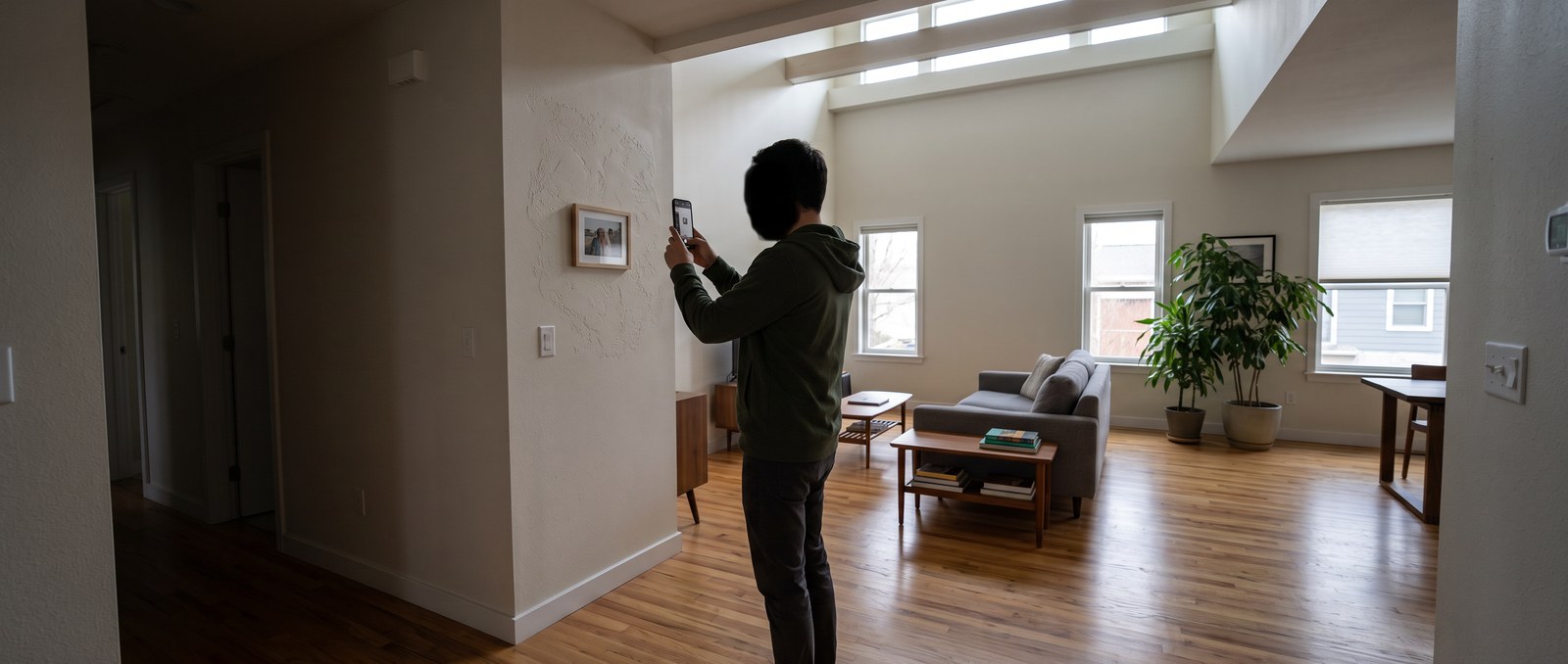
Take one wider shot for context and one close-up of the specific issue, in good lighting. Include something for scale if it's a small detail. Date the photos, or note the date clearly in your written description, since timing often matters for whether an issue falls under cosmetic or warranty coverage.

Submit it in writing, every time
Even if you've mentioned an issue verbally or through a phone call, follow up with a written request — email is usually sufficient. This creates a dated record that exists independent of anyone's memory of the conversation, which matters if the issue takes time to resolve.
Keep everything in one place as you go. A simple folder or email thread with your original request, any responses, and follow-ups makes the whole process much easier to manage if it takes more than one exchange.
Keeping your own record as it's resolved
Keep a copy of what you sent, when you sent it, and any response you receive, including dates for any promised follow-up or repair. This running record is useful if you need to escalate, and it's simply good practice for anything tied to your home's warranty history.
If it isn't resolved after your first request
If your first request doesn't get a response or resolution within a reasonable time, follow up in writing referencing your original request and its date. See our guide on who to contact next if you need to escalate beyond your builder directly.
Ready to look at actual homes?
Drafting a warranty request and want a second read before you send it? Get in touch — happy to take a look.

Ryan McCann
Ryan is an Edmonton-based new-construction specialist with MaxWell Polaris and the person behind MoveNew. He's helped over 2,200 clients in the Edmonton area buy and sell their home.
Contact Ryan today at 780-964-8445 to start your new home journey.
Last reviewed 11 August 2026. General information for Edmonton-area buyers — not legal advice. Contract terms, builder practices, and Alberta regulations can change or vary; confirm current details with a real-estate lawyer or the relevant builder before making a decision.
Frequently asked questions
Does a warranty request have to be in a specific format?
Most builders and warranty providers have their own submission process or form. Follow theirs, but always keep your own written copy regardless.
How many photos should I include?
Enough to clearly show the issue — typically one wide and one close-up shot is a reasonable starting point, more if the issue has multiple angles worth documenting.
What if I'm not sure how to describe a technical issue?
Describe what you're observing in plain language — what you see, hear, or notice — rather than guessing at a technical cause. That's the builder's or inspector's job to diagnose.
Should I follow up if I haven't heard back?
Yes, follow up in writing after a reasonable period, referencing your original request's date so there's a clear timeline.
What if I have a home to sell?
That is common, and it is worth planning early. The timing question is how a builder's possession date lines up with the sale of your current home — completion dates can move, and carrying two homes or bridging the gap has a real cost. Start with a free home evaluation so you know what your current home is worth, then read our guide to selling before buying new construction.
Keep reading